
Introduction
When planning your store layout, choosing the right gondola display type can make a huge difference in how customers move through your space and how products are seen.
In this article, we explain the key differences between one-sided (wall type) and double-sided (island type) gondola shelving — and how to use each effectively to create a beautiful, functional shop layout.
One-Sided Gondola
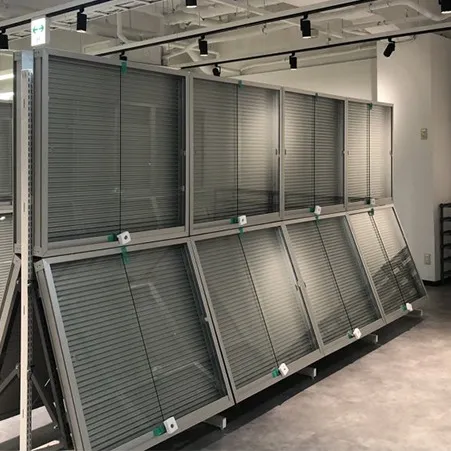
A one-sided gondola is designed to be placed along a wall or structural backing.
It showcases products on one face only, making it ideal for:
- Utilizing wall space efficiently
- Keeping central floor areas open
- Displaying featured collections or branding zones
💡 Tip: Use wall-mounted or single-faced units to anchor your store perimeter and create a clean, organized flow.

Double-Sided Gondola
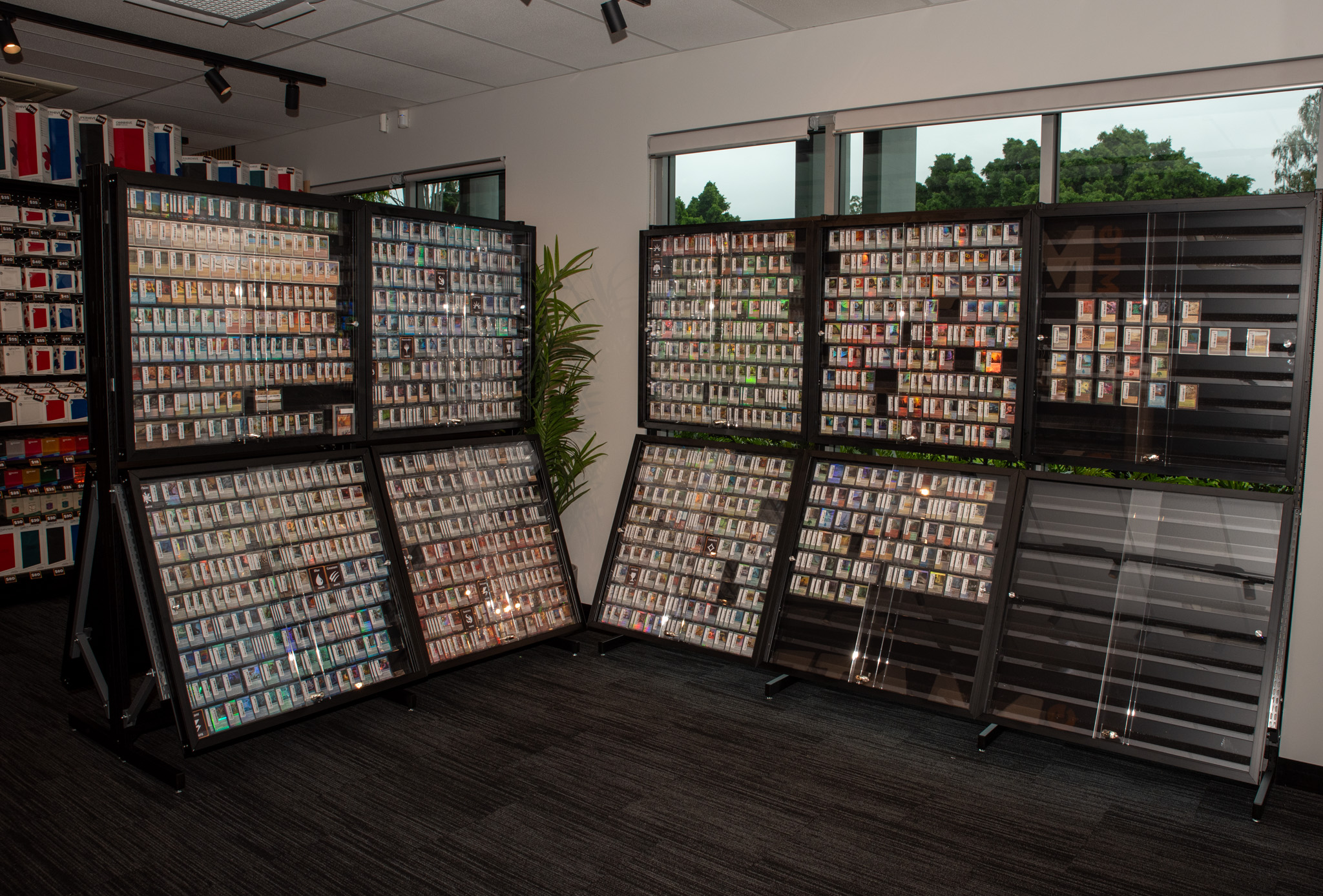
A double-sided gondola stands freely and can be accessed from both sides.
This design works perfectly in aisles or central zones, allowing customers to browse from multiple directions.
Benefits include:
- Twice the product exposure per footprint
- Smooth traffic flow on both sides
- Ideal for feature aisles and promotional zones
💡 Tip: Place them in the center of the shop to naturally guide movement and keep customers exploring.

Combine Both for a Balanced Layout
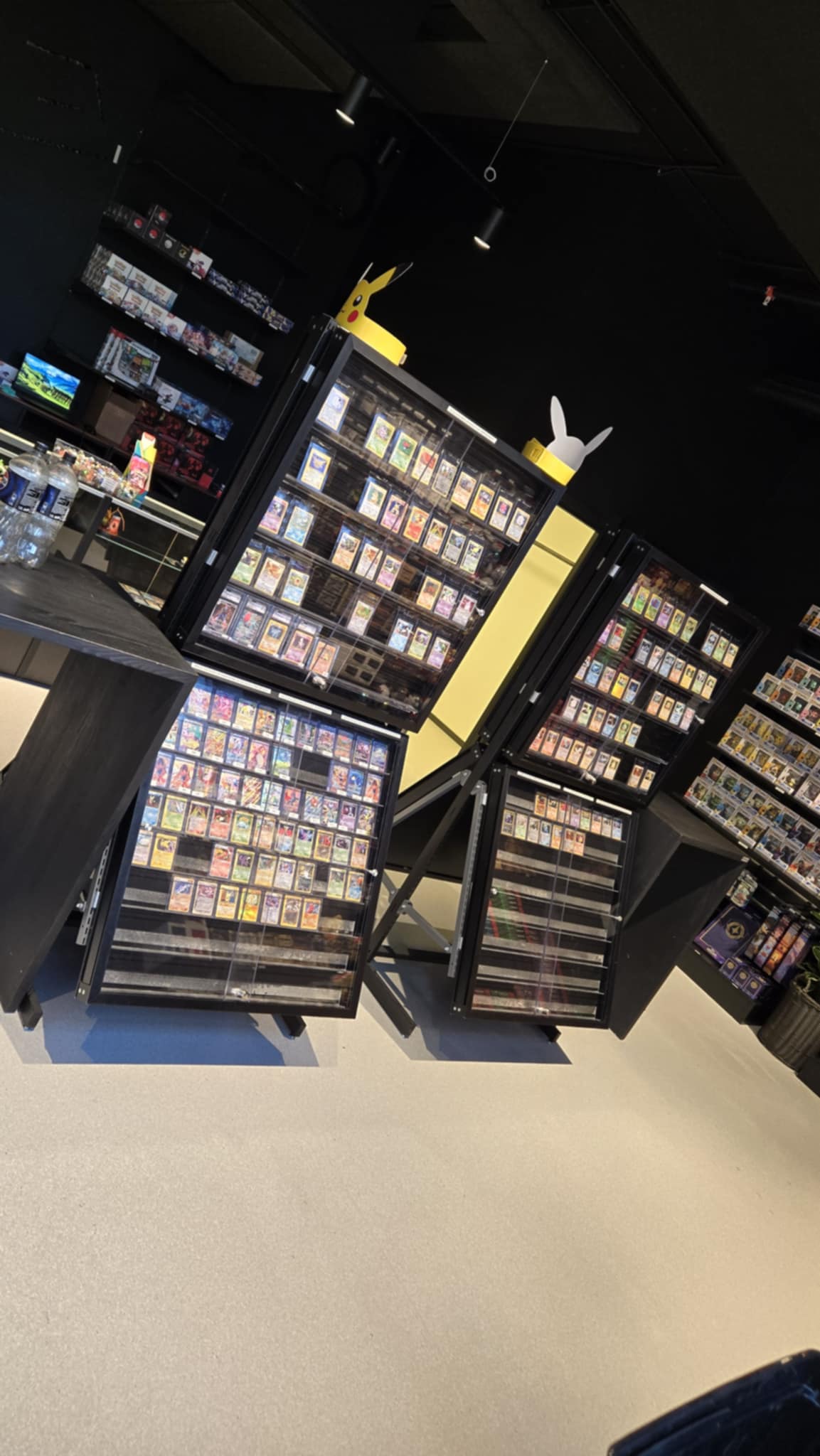
The most effective store designs use a combination of both types.
By combining these, you can maximize visibility, maintain open space, and create a layout that feels natural and inviting.

A thoughtful gondola layout helps customers move comfortably and keeps your products in clear view.
Whether you’re planning a new store or renovating an existing one, choosing the right balance between one-sided and double-sided displays is key to a successful design.
👉 Need help planning your store layout?
Contact SENBI for professional gondola and TCG display solutions made in Japan.
Comments are closed